Video game history can seem huge at first glance, but a few key turning points explain most of what came after. The rise of arcades, the move into living rooms, the emergence of iconic console brands, and the shift toward immersive experiences all changed the shape of the industry. GamePlaza frames gaming history as something visitors can experience hands-on, which is a helpful reminder that this story is best understood through play as well as facts.
If you want a beginner-friendly version of gaming history, these are some of the most important moments to know.
Pong proves games can capture attention
Pong matters because it helped turn electronic gaming into a public phenomenon. It was easy to understand, easy to watch, and perfectly suited to the social energy of arcades. Its success showed that games could move beyond technical novelty and become entertainment with broad appeal.
Arcades create gaming culture
The arcade era shaped how gaming felt in public life. Score chasing, competition, crowd reactions, and the visual drama of machines all helped build gaming’s identity. Many later trends in multiplayer culture and status-driven play can be traced back to this period.
Home consoles make gaming personal
Once games entered homes, they became part of family life and personal routine. This changed the relationship between player and game because people could spend more time exploring and mastering what they owned. It also helped gaming grow from an outing into an everyday habit.
Console rivalry fuels innovation
Competition between major console makers pushed the industry forward. Strong characters, bold branding, and regular hardware improvements gave players more reasons to care. Gaming was no longer just about isolated titles; it became tied to loyalty, identity, and anticipation for what came next.
PlayStation broadens the audience
The PlayStation era stands out because it gave gaming a different cultural tone. It felt larger, cooler, and more central to mainstream entertainment. Games could now be positioned as dramatic, ambitious, and socially visible in new ways.
Interactivity becomes the point
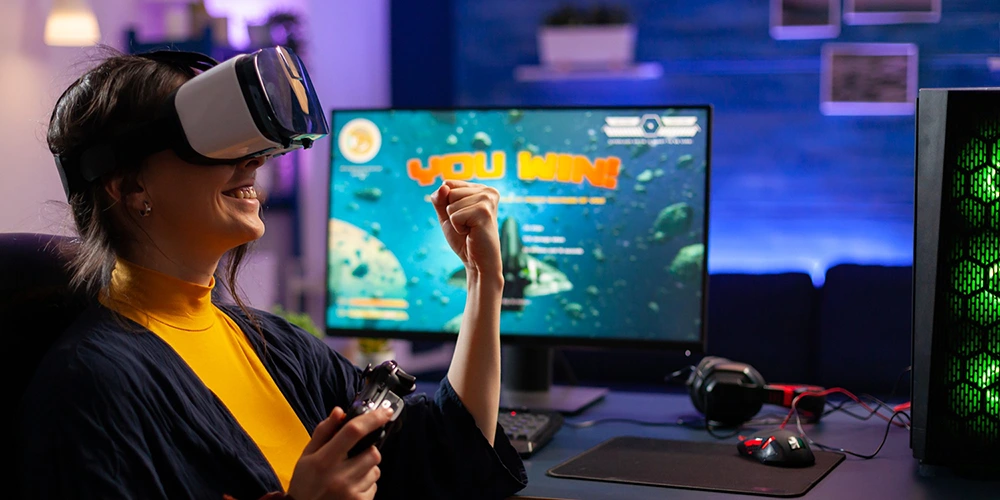
Modern gaming is not simply about graphics improving over time. It is about interactivity becoming richer and more layered. GamePlaza’s mix of retro gaming and VR reflects that shift clearly because it places simple early mechanics next to modern immersive experiences in one visit.
Why beginners should care
Learning video game history makes modern gaming easier to understand. Features people now take for granted, from franchises to platform identity to immersive design, all come from earlier moments that changed the rules. Once you know those moments, gaming stops looking like random progress and starts looking like a connected story.
For newcomers, history also adds appreciation. A retro machine is more interesting when you understand what it changed. A modern console feels more impressive when you know what came before it.
Want to experience video game history for yourself? Visit GamePlaza in Altstetten, Zurich, and explore the consoles, arcade machines, and gaming milestones that shaped generations of players. Whether you’re a lifelong gamer or simply curious about how the industry evolved, GamePlaza offers an interactive way to discover gaming history firsthand. Check our latest opening hours before your visit here: Opening Hours.