
Console History: The Evolution of Video Game Consoles
What Is a Video Game Console?
A video game console is an electronic device designed primarily for playing games. Unlike general-purpose computers, consoles are typically designed around a specific gaming ecosystem and are usually connected to a television or display.
Over the years, consoles have changed dramatically. Early systems were relatively simple, while modern consoles combine powerful processors, advanced graphics, online connectivity, digital distribution, and sophisticated controllers.
The history of video game consoles is a story of technological innovation, competition, creativity, and changing ways of playing. From the earliest home systems to today’s powerful consoles, each generation has introduced new hardware, controllers, graphics, storage formats, and gaming experiences.
Understanding console history provides a fascinating way to understand the wider development of the video game industry.
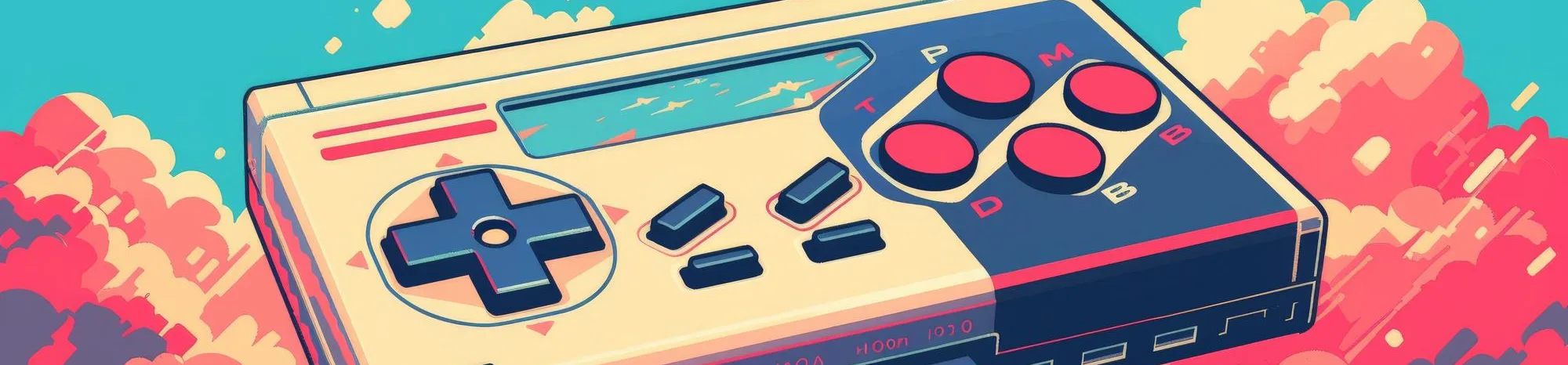
The Early Era of Home Consoles
The earliest home consoles brought electronic gaming into people’s living rooms. Instead of visiting an arcade, players could connect a gaming system to a television and play at home.
These early systems were technically limited compared with modern hardware, but they established an important idea: video games could become a regular form of home entertainment.
The Rise of Cartridge-Based Gaming
Cartridges became an important technology in the development of home consoles.
Instead of purchasing a system with only a small number of built-in games, players could use different cartridges to access different games.
This created a more flexible gaming ecosystem and allowed console libraries to expand significantly.
The Golden Age of Console Gaming
As the industry developed, home consoles became increasingly popular.
Manufacturers competed to create better hardware, more appealing games, improved controllers, and larger game libraries.
This period helped establish many of the franchises, genres, and gaming traditions that remain influential today.
The Transition to Disc-Based Games
Optical discs eventually became an important alternative to cartridges.
Discs could store significantly more data and changed how games were produced and distributed.
This allowed developers to create larger games with more detailed graphics, music, video, and other content.
The Move to 3D Gaming
One of the biggest changes in console history was the transition from primarily two-dimensional games to increasingly sophisticated 3D environments.
Three-dimensional graphics changed game design and allowed developers to create larger worlds, new camera perspectives, and more complex gameplay.
This technological transition shaped an entire generation of gaming.
Controllers Evolve
Console controllers have changed alongside the games themselves.
Early controllers were often simple, with directional controls and a small number of buttons.
Later generations introduced more buttons, analog controls, vibration, motion sensing, wireless connectivity, and other technologies.
The controller is an important part of console history because it determines how players interact with games.
The Rise of Online Gaming
Internet connectivity transformed consoles from standalone machines into connected entertainment platforms.
Players could compete with or cooperate with people around the world, download additional content, communicate with other players, and access online services.
Online gaming fundamentally changed the relationship between players and their consoles.
Digital Distribution
Another major development was the move from physical games toward digital distribution.
Instead of purchasing a cartridge or disc, players could increasingly download games directly to their console.
This changed retail, storage, updates, game releases, and how players built their libraries.
Modern Game Consoles
Modern consoles combine powerful processors, advanced graphics, fast storage, online connectivity, digital services, and sophisticated controllers.
They are no longer simply machines for running games. They can also function as multimedia entertainment systems with streaming, communication, online communities, and digital marketplaces.
Why Console History Matters
Every generation of consoles reflects the technology and culture of its time.
A classic console can demonstrate the limitations of older hardware, while a modern system shows how dramatically computing power has increased.
Looking at multiple generations together provides a visual timeline of technological progress.
Explore Console History at GamePlaza
GamePlaza in Zürich offers visitors an opportunity to discover different generations of gaming technology, including classic consoles and other systems that helped shape video game history.
Seeing older hardware in person can make the evolution of gaming much easier to understand than simply reading about it.
For longtime gamers, classic consoles can also bring back memories of earlier gaming experiences.
Console History and Nostalgia
For many people, consoles are connected to childhood memories.
A familiar controller, console design, or game can immediately bring back memories of playing with friends or family.
This nostalgic element is one reason retro consoles remain popular even decades after their original release.
Why Younger Generations Should Explore Older Consoles
Modern players have access to incredibly powerful technology, but older consoles demonstrate how creative developers could be with much more limited hardware.
Experiencing older systems can help younger players understand how graphics, sound, game design, and controllers developed over time.
Conclusion
Console history is an important part of gaming history. From early home systems and cartridge-based games to disc-based consoles, 3D gaming, online services, and modern digital platforms, every generation has changed how people play.
Exploring these systems in person provides a fascinating look at the technology, creativity, and culture behind decades of video games.
FAQ
Why is console history important?
Console history shows how gaming technology, controllers, graphics, storage, and online services developed across different generations.
What are retro consoles?
Retro consoles are older gaming systems that are associated with previous generations of video games and gaming culture.
Why are old game consoles still popular?
Old consoles remain popular because of nostalgia, collectible value, historical interest, and the unique games and experiences associated with them.
Where can I explore console history in Zürich?
GamePlaza offers visitors an opportunity to discover classic gaming systems and different generations of gaming technology in Zürich.